

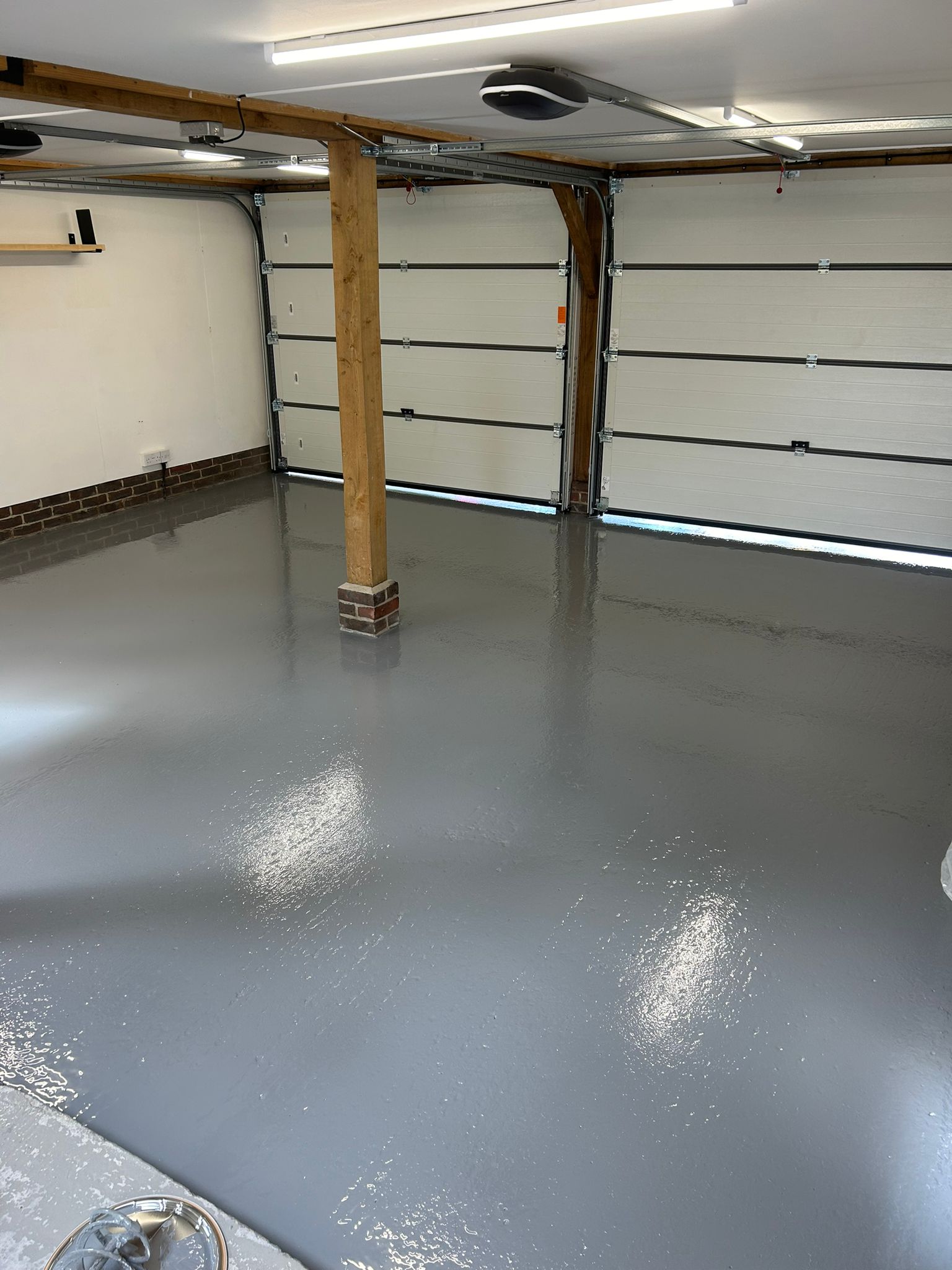
Industrial Garage Epoxy Flooring: The Complete Facilities Guide
Industrial garages experience heavy use, including vehicles and equipment, chemical spills and high foot traffic. That’s why it’s essential to install flooring that can keep up with the demands. The right garage flooring system will maintain safety and durability while creating long-term value.
One of the most reliable solutions on the market is garage floor epoxy flooring. Known for its strength, slip resistance, and long lifespan, epoxy is widely used in commercial and industrial settings and can be a more suitable option than alternatives like rubber flooring.
Why Epoxy Is Ideal for Industrial Garage Flooring
Industrial environments require flooring that can withstand constant pressure without deteriorating quickly. Garage floor epoxy flooring creates a strong, seamless surface that bonds directly to concrete, forming a protective, extremely durable coating.
Epoxy floors are designed to handle heavy loads from vehicles, machinery, and tools without cracking or degrading. They also offer excellent resistance to oils, chemicals, and fluids, which are common in garages.
Assess How Your Garage Is Used
The first step in selecting the right industrial garage flooring is understanding how the space is used daily. Garages that store heavy vehicles or equipment require a thicker and more durable garage floor coating to withstand pressure and impact. If the space regularly experiences oil or chemical spills, a highly resistant epoxy system will be necessary to prevent long-term damage to the floor.
Consider Safety Requirements
Industrial garages often feature hazardous conditions, which is why safety is a major concern. That’s why epoxy flooring is so popular in these spaces: it can be customised with anti-slip aggregates that improve traction while maintaining a smooth, easy-to-clean surface. It can also be installed with anti-slip and anti-skid finishes, helping reduce the risk of accidents in busy workplaces.
Easy Long-Term Maintenance
One of the biggest advantages of garage floor epoxy flooring is its low maintenance requirements. The seamless surface prevents dirt, dust, and liquids from penetrating the floor, making cleaning quick and straightforward. Routine maintenance typically involves simple sweeping and mopping.
Choosing the Right Epoxy System
Not all epoxy systems are the same, and selecting the right garage floor coating depends on your garage’s specific needs. Factors such as floor size, vehicle weight, chemical exposure, and safety requirements should all be considered before installation.
Working with experienced installers such as Floortrak ensures the correct materials and application methods are used to achieve the best results.
Epoxy vs Rubber Flooring
Rubber flooring is sometimes used in garages because it provides cushioning and basic protection for concrete surfaces. However, it has several limitations when compared with epoxy.
Rubber flooring can wear down quickly under heavy vehicles and equipment. It may also absorb oils and chemicals over time, which can lead to staining and unpleasant odours. In contrast, epoxy forms a sealed surface that resists liquids and is far easier to clean.
Get Expert Advice From Floortrak
Selecting the right industrial garage flooring can make a significant difference to safety, durability, and long-term maintenance costs. Epoxy flooring offers a reliable solution that outperforms many traditional options, including rubber flooring, in demanding environments.
If you’re considering upgrading your garage flooring, the experts at Floortrak can help you choose the right system for your facility.